- Key insight: Discover how team-focused HR practices scale global workforce performance.
- Expert quote: Katherine Loranger - effective leaders take pride developing others and expose teams to varied experiences.
- Forward look: Expect a shift toward leading employee feedback for proactive HR decisions.
Source: Bullets generated by AI with editorial review
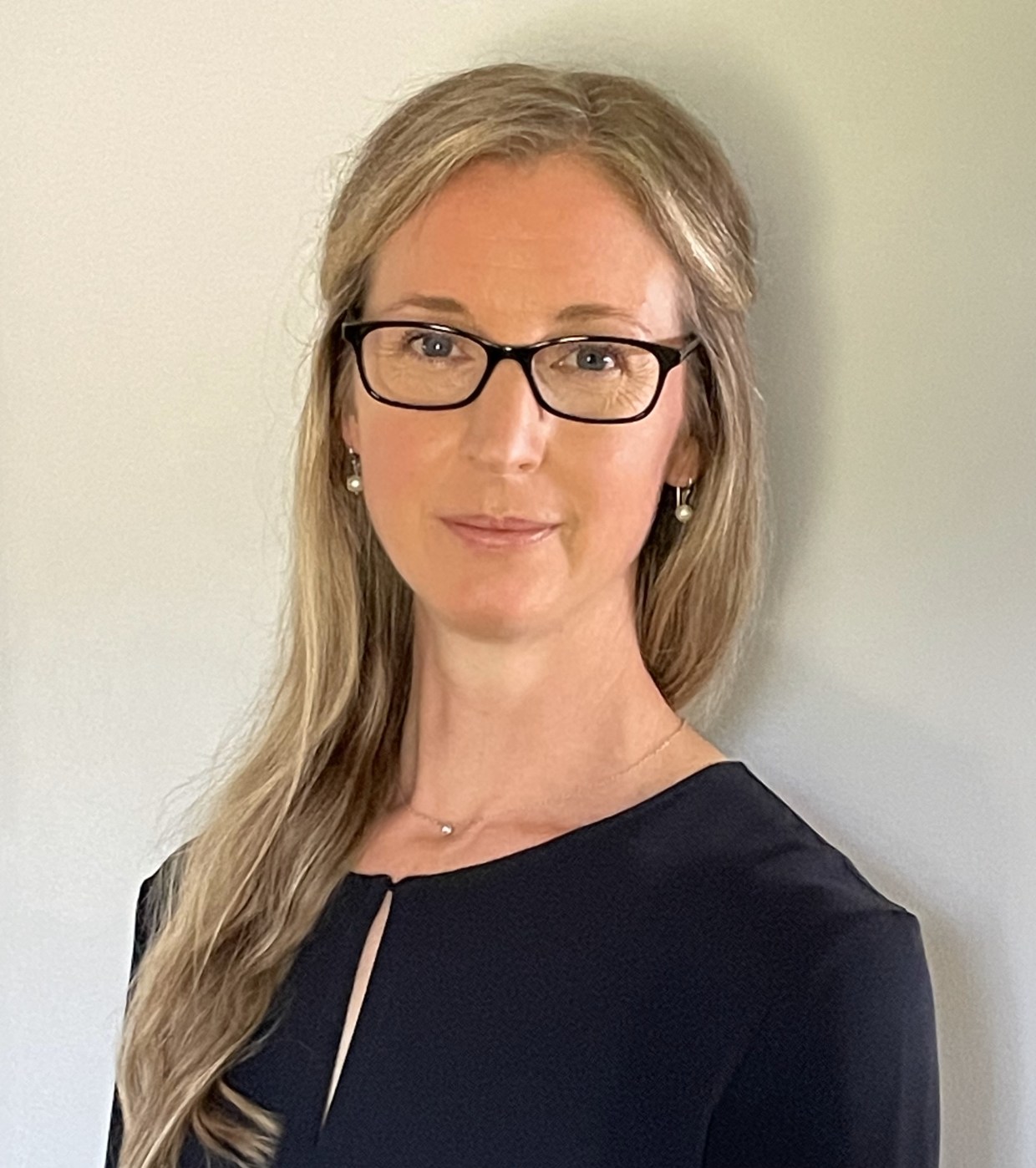
What makes a great leader? For Katherine Loranger, chief people officer at HR management company Safeguard Global, it's the
It's these team-focused traits that have helped Loranger build a motivated, reliable HR team, scale Safeguard's workforce across 50 countries, and
"For those of us who care about leadership, it comes automatically that we want the people around us to do well," Loranger says. "There's pride in seeing someone grow that you're working with. The more you can expose your team to different things, the more prepared they're going to be."
Read more:
As an HR leader working within a global HR-support company, Loranger's approach stretches beyond her team to client-facing employees worldwide, yielding great input about benefit strategies,
"We do the pulse surveys and engagement surveys, but my team will do regular interviews with employees," Loranger says, emphasizing that these should be done during an employees' tenure, rather than as they are exiting. "We need leading information, not lagging."
Loranger spoke with EBN about how she instills her values into her team members, how they work to constantly gather feedback and ideas, and how she works to balance business growth and employee satisfaction.
What expectations do you have for your team, and how does that help them serve the workforce?
I've got four leaders — talent acquisition, learning and development, operations and payroll, and then that HR business partnership. There's a lot of crossover between those areas, so it's extremely important that those groups speak to each other and trust each other.
HR lives in a fishbowl. Everyone's going to look to us to know how to behave, how to respond to situations, how to communicate. So I want everything that comes out of my department to be put together. I want real punctuation. I want branding. I want things to look professional, because that's who we are. Along with that, be open to learning, have a great sense of urgency, great responsibility and accountability.
Read more:
How do you coach your team to tap into the needs of a diverse workforce?
At our core, we care about many of the same things. Taking care of our family, our benefits, doing well at work — all of those things matter to everyone in our organization. But even though we have one strong culture and one set of values, there are going to be differences depending on what groups of people you talk to, or where they're located, or what type of job they do.
Everyone's going to take that culture and that value set and express it a little bit differently. That's something we need to encourage, because it helps in diversity of ideas, and really improves the success of the organization.
What is a specific way you share information, and how does it promote helpful feedback?
We've historically had an employee forum, where we've had representatives from different pieces of business who come talk to leadership, and we'll tell them what's going on in the business at a transparent level.
People come to you proactively with their thoughts and ideas, they come to you with the positive things and they come to you with the problems, but oftentimes, they'll come to you directly with suggestions and feedback without you having to seek it out.
Read more:
How does good communication with employees connect to successful business transformations?
Anytime you've got change in the business, you have to bring your people along with you through communication, and this has to happen at all levels. Change management isn't about an email coming down from corporate leaders saying that this is the new policy. We've got to have the right leadership in place that understands the change, helps our teams participate in the change, reinforces the change and really helps people understand why it's good for them.
It's all about trust. If you've kept people engaged in the business, and they feel like they're part of something, and you've been transparent with them, then they're going to trust that you have their best interests in mind as you go through any kind of transformation, whether it's large or small. They're going to be much more open to suggestions, less resistant, and ultimately, those transformations are going to be more successful.