Benefits Think What employers need to know about value-based care
For companies, the arrangement can mean a healthier workforce, better care for their employees and less money spent paying for employees’ medical bills.

In a national plan, employers are pooled together to purchase stop-loss insurance. Companies pay smaller day-to-day claims as they come, but enjoy greater protection against catastrophic claims as well as the purchasing power of a large group.
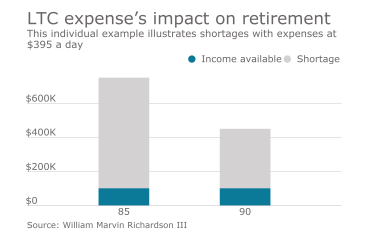
Employees and others are ill-prepared to meet their long-term care expenses. But government regulations and insurer indifference are exacerbating the problem.
Prodding employers into insuring themselves has important benefits—and major drawbacks.
Employee Benefit News, in partnership with business intelligence data analytics firm miEdge, lists the top 25 large-group health insurance carriers in the United States.
As more employers move to self-insure, carriers are in search of new value propositions.
More are embracing the insurance model, as firms realize cost savings, plan flexibility and employee satisfaction that can manifest itself as soon as the first year after implementation.
As more employers move to self-insure, carriers are in search of new value propositions.
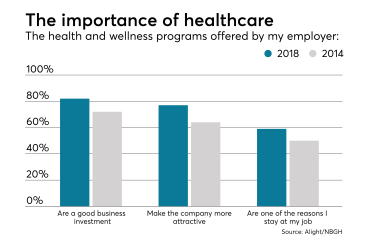
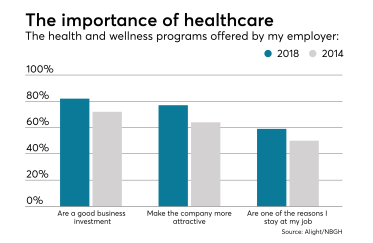
The percentage of employers offering benefits including telemedicine, stress reduction programs and 24-hour nurse lines jump to accommodate an always-on workforce.
More are embracing the insurance model, as firms realize cost savings, plan flexibility and employee satisfaction that can manifest itself as soon as the first year after implementation.
Advisers need to guide their clients around these three obstacles.
National Rural Electric Cooperative Association partnered with Teladoc to reach as many rural members as possible and increase healthcare engagement.
The percentage of employers offering benefits including telemedicine, stress reduction programs and 24-hour nurse lines jump to accommodate an always-on workforce.
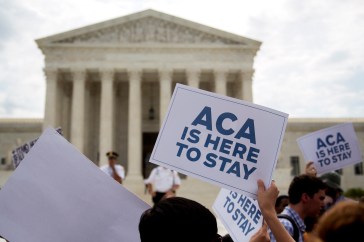
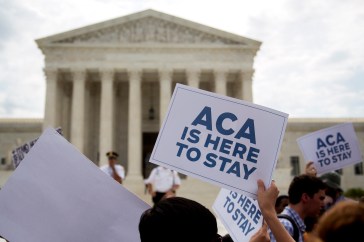
At a broker conference, Senate Majority Leader Mitch McConnell and Democratic Whip Steny Hoyer give the impression that the internecine battle over healthcare is over for 2018.
EBRI analysis of five surveys show enrollment trending down over the past decade, but bullish signs persist.
Some advisers are using this approach to help self-insured employers control costs. But it’s is not without controversy.
By helping employees make better choices, employers can get more out of their benefits investment.
A new report by Benefitfocus shows differences in healthcare cost across the U.S. and how HDHP participation continues to increase yet out-of-pocket cost continues to rise as well.
By helping employees make better choices, advisers can help clients get more out of their benefits investment.