Benefits Think Out-of-network medical benefits: a risk management primer
Employers be prepared: A false out-of-pocket cap could create a financial bear trap for employees.

Zack Pace
CBIZ
Follow Us
© 2026 Arizent. All rights reserved.

Employers be prepared: A false out-of-pocket cap could create a financial bear trap for employees.
Data analytics firm miEdge ranks carriers serving employer health plans based on in-force premium.

Adviser Jeff Fox is weaning his clients off of preferred provider networks in favor of self-insuring and contracting directly with a top-flight health system.
A decade-long review of disability claims from carrier Unum reflects effects of aging workforce, early intervention.

The annual limit on deductible contributions to a health savings account will jump by $50 for individuals and $100 for families.

The insurer’s 25% reduction in painkiller scripts nearly a year ahead of schedule sets new tone for managing national epidemic, catches large brokerage’s attention.


By not prioritizing the use of pharmacy benefit management drug rebates, the administration is hurting companies, who shoulder the burden of rising costs by all stakeholders in the supply chain.

Many workers aren’t using their pre-tax dollars as wisely as they could. But employers can help them avoid inappropriate care with tools that support informed medical decision-making.

Inaccurate or incomplete information has incorrectly identified business owners as failing to satisfy healthcare coverage requirements.
The insurer’s 25% reduction in painkiller scripts nearly a year ahead of schedule sets new tone for managing national epidemic, catches large brokerage’s attention.

The alternative strategy is ideal for companies that like the idea of self-funding but want to keep the safety and stability of consistent premium payments.

For companies, the arrangement can mean a healthier workforce, better care for their employees and less money spent paying for employees’ medical bills.

As the Trump administration pledges to bring down America’s high-and-rising drug prices, workers are living with the burden of costly medications.

The recent moves by Amazon, Walmart and other large employers to manage their employees' healthcare has numerous implications. Here our panel of experts considers the most likely outcomes.

HR professionals say recent regulatory changes and the #metoo movement have prompted changes to benefits and business strategies.

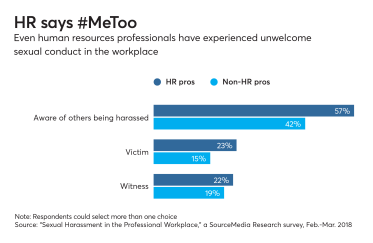
Inaccurate or incomplete information has incorrectly identified business owners as failing to satisfy healthcare coverage requirements.
A new study found that fewer than 2% of heavy smokers in the U.S. get recommended lung cancer screenings.

The retail giant is rolling out the tool to its 1.5 million employees in an effort to boost wellness by “increasing engagement, improving health awareness and reinforcing healthy habits every day.”

By making the benefit more comprehensive, employers can help effectively treat workers and reduce overall costs associated with delayed recovery and poor employee health.
Much like stop-loss coverage, employers can use telehealth services when making the leap to becoming self-insured.
Couldn’t load more articles. Try again.