6 trends for employers to understand about EAPs
Increased demand and use of technology are among the insights revealed by Chestnut Global Partners in its analysis of employee assistance programs.

Follow Us
© 2026 Arizent. All rights reserved.

Increased demand and use of technology are among the insights revealed by Chestnut Global Partners in its analysis of employee assistance programs.
A people-centric approach isn’t just good for employees – it’s good for business, says Maxwell Health’s Veer Gidwaney.

Conditions such as hypertension, type 2 diabetes and high cholesterol cost employers millions of dollars each year in terms of insurance claims, absenteeism, and reduced productivity.

The telecommunications firm partners with WebMD for a weight loss program that helped nearly two-thirds of its employees shed unwanted pounds.


Why advisers and employers should create plans that address several factors that impact employee health, says Veer Gidwaney.
To achieve the benefits of well-being initiatives, including health improvement, talent acquisition, employee performance and retention, company culture must fully support them.

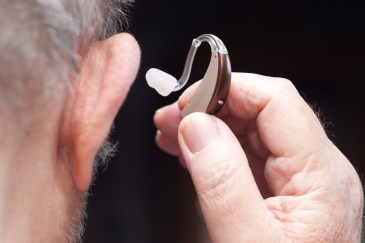
Employers are incorporating managing healthy senses with well-being benefits for a more holistic approach.


The Florida-based beer distribution company brewed up a plan with its insurer, UnitedHealthcare, to engage workers with wearable fitness devices.
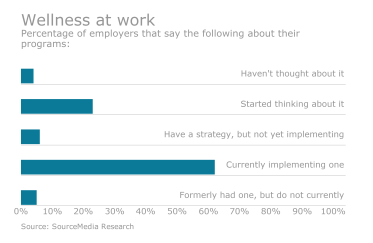
Cornerstone Insurance Group beefs up its offerings – and even hires a staff wellness director – to win over plan sponsors.


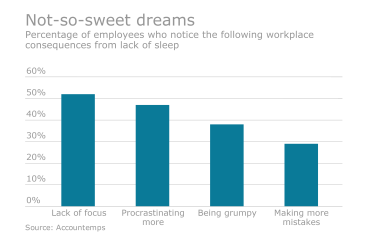
Tired workers are rampant in the workplace, and companies need to wake up to reality or face continued loss of productivity.

Advisers and employers are incorporating managing healthy senses with well-being benefits for a more holistic approach.
The telecommunications firm partners with WebMD for a weight loss program that helped nearly two-thirds of participants shed unwanted pounds.

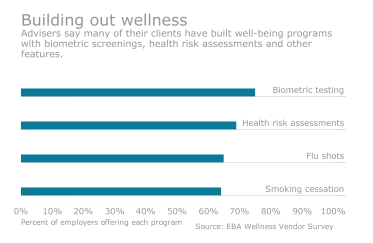
Advisers say many of their clients have built well-being programs with biometric screenings, health risk assessments and other features.
The Florida-based beer distribution company brewed up a plan with its insurer, UnitedHealthcare, to engage workers with wearable fitness devices.
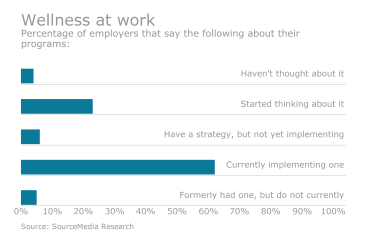
While employers debate the ROI of wellness programs, a more pressing concern is the cost of poor workplace health. New research shows lost productivity due to employee comes with a huge price tag.

The Cornerstone Insurance Group beefs up its offerings — and even hires a staff wellness director — to win over clients.

Moving beyond biggest loser-type competions and step challenges, employer-based programs are entering a new phase that make use of targeted incentives to create specific outcomes.
The international environmental consulting team offers employees access to mental health therapy 24/7 through its online Learn to Live system.


Targeted incentives and automated employee follow-up can improve outcomes.
Tiered incentives may encourage more workers to get active, but for employers they represent an increase in administrative overhead, says David Contorno, CEO of Lake Norman Benefits.