Are incentives the key to reducing healthcare costs?
How the concept of paying employees to encourage certain behaviors is making its way into other areas of benefits that advisers need to know about.

Follow Us
© 2026 Arizent. All rights reserved.

How the concept of paying employees to encourage certain behaviors is making its way into other areas of benefits that advisers need to know about.
While plan sponsors and others debate whether wellness programs actually save healthcare costs, a more pressing concern for employers is the real price of poor workplace health.

Making sure the employer has an account manager dedicated to the effort is a key to success, says David Roddenberry.

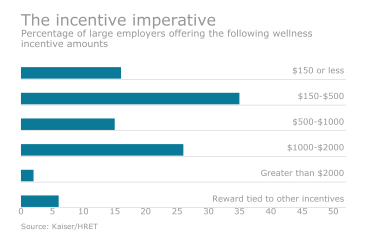
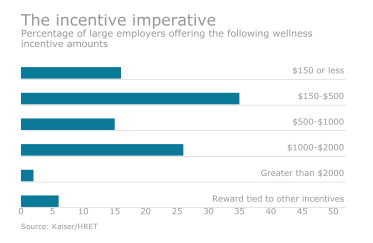
Employers are familiar with wellness incentives, but the concept of paying employees to encourage certain behaviors is making its way into other areas of benefits.
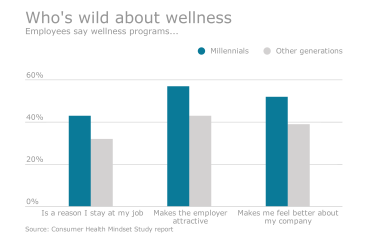
An increased focus on health, combined with unprecedented access to information, has this group of workers more interested in workplace wellness and more likely to stay at their jobs because of it.
The international environmental consulting firm offers employees access to mental health therapy 24/7 through Learn to Live, an online system built to address psychological issues such as social anxiety, depression, stress and worry.


Having an account manager dedicated to the success of your company’s employees is an important part of any program.
Programs that teach workers to be in the moment help boost their productivity by helping them ignore irrelevant or less important tasks.

By enhancing sleep quality and reducing chronic pain, these online training sessions are said to save medical costs and heighten productivity.
Employer-sponsored health improvement programs must strive to include sleep as a key element of good health. Here are three strategies benefit managers can use to encourage better sleep habits among workers.

With medical inflation out pacing general inflation 7 to 1, advisers need to help their clients design benefit plans based on the actual health status of their employees.
How have employer-sponsored benefits changed since the last leap year? Long-term trends can give organizations a better understanding of whether they’re ahead (or behind) the benefits curve, says Compdata.
The company’s new platform is evidence that threats continue to emerge for brokers, but so do possibilities. Success depends on understanding the client’s needs.

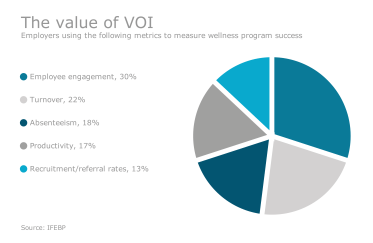
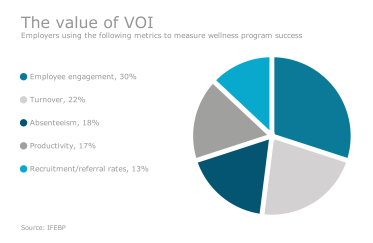
The success of a client’s well-being program may be more about calculating value-on-investment rather than return-on-investment, according to a new report from the International Foundation of Employee Benefit Plans.
Aetna, Apple, Google and General Mills have implemented the program for their employees.
The success of a well-being program may be more about measuring value-on-investment rather than return-on-investment, according to a new report from the International Foundation of Employee Benefit Plans.
With employer interest in smart watches and activity trackers growing, forward-looking advisers should include them in their population management strategy
The national shift from wellness to “well-being” has been rapid. What does it mean for employers and wellness practitioners?

Evidence is mounting that mindfulness is linked to better workplace functioning, including increased productivity, more efficient teamwork, fewer errors, better communication, and fewer sick days.
The implementation of smoking surcharges should be paired with a robust smoking cessation program, experts say.