Insurer exits from public exchanges turn few choices into none
Later this year, residents of Pinal County, Ariz., who go shopping for health insurance under the ACA will face a peculiar dilemma — they’ll have to buy a product that may not exist.

Follow Us
© 2026 Arizent. All rights reserved.

Later this year, residents of Pinal County, Ariz., who go shopping for health insurance under the ACA will face a peculiar dilemma — they’ll have to buy a product that may not exist.
Connected devices, smart cloud tech can help employers manage the disease, says Livongo Health CMO Jennifer Schneider.


It’s a common misunderstanding that CI only covers this disease, says The Standard’s Danielle Lehman — the products have evolved.
Aetna will stop selling individual ACA plans next year in 11 of the 15 states where it had been participating in the program, joining other major insurers that have pulled out of the government-run markets in the face of mounting losses.

Word choice proves paramount with these products, says adviser Eric Silverman, who encourages producers to think before they speak.

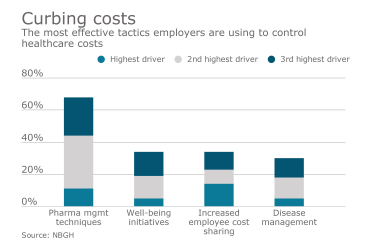
Healthcare costs are expected to increase 6% in 2017 as companies make use of better management tools and take advantage of advances in telehealth.

Livongo Health CMO Jennifer Schneider discusses the company’s new approach for diabetes management, which consists of connected devices and a smart cloud, and how it can help employers.

Giving time, intellectual capital and expertise to the next generation is how the industry will thrive, says adviser Vinnie Daboul.

In an attempt to counter expensive medical claims, some employers are requiring mandatory doctor visits regardless of health quality.
The decision on the trial’s timing comes after the DOJ tried to persuade a U.S. District judge to delay the start until January, after the companies’ self-imposed merger deadline.

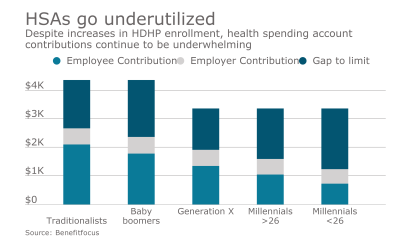
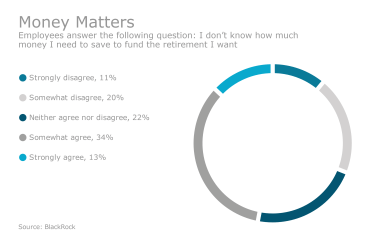
Companies are beginning to shift resources toward benefit adequacy as worries mount about employees’ ability to prepare for life after work.
Chief Executive Officer David Cordani faces a tough task: persuading investors and lawyers that the health insurer is committed to a troubled $48 billion takeover, while also talking up its prospects as an independent company.

Healthcare costs are expected to increase 6% in 2017 as companies make use of better management tools and take advantage of advances in telehealth.
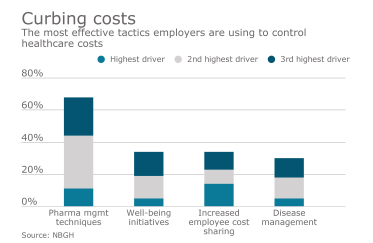
Advisers need to bring employers a cost-reduction strategy that helps employees understand the care they need, what it costs and where to get it.

Rising costs are eroding revenue, but market developments, such as increased transparency, can change the trajectory, says adviser Todd Rolland.

The judge overseeing two U.S. cases challenging mergers among four of the biggest health insurers gave up one, improving the odds for rulings on both tie-ups by the end of the year and reducing the chance they fall apart beforehand.

The takeover is in “danger of collapsing” unless there’s a quick trial to resolve a U.S. lawsuit seeking to block the deal.

The Empire State's insurance regulator has “significant concerns’’ about proposed $48 billion acquisition will hold a hearing to address them before deciding whether to approve the deal.

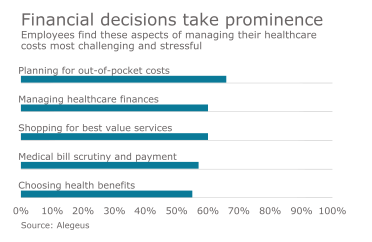
Unfamiliar jargon and lack of experience have left workers confused about how to manage their benefits and medical bills.

Employers are increasingly adopting reference based pricing and reimbursements as a way to more effectively determine and control health costs.