4 smart adviser goals for 2014
As the year winds down, give yourself the time and space to really think about your business: where you are today, where you want to go and the gap between the two.
Follow Us
© 2026 Arizent. All rights reserved.

As the year winds down, give yourself the time and space to really think about your business: where you are today, where you want to go and the gap between the two.
A staple component of every independent brokerage and agency for marketing and service, this element changed dramatically for most brokers in 2013
A public employer in California is building its own marketplace to mirror public exchanges under the Affordable Care Act a potential idea for brokers for prospecting.
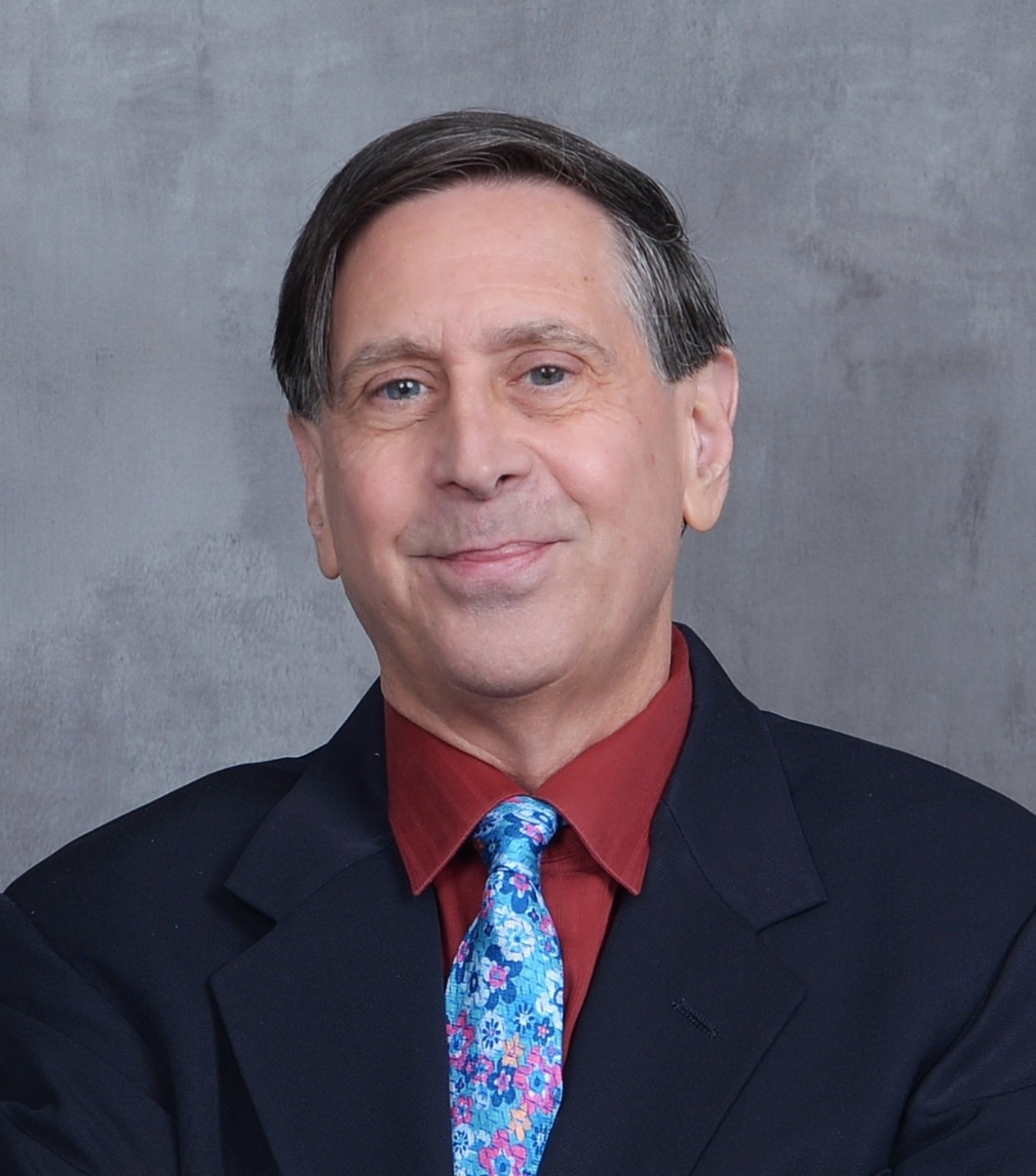
Agents think the road ahead is between providing more value-added services, including compliance advice, versus losing business. Some agents think that the choice is between sell more ancillary products or continue to watch revenues fall. In my mind, the real choice is this: Do you want to be an insurance agent or a fee-based adviser? The difference is huge.
Over the last 15 years, Daymark Advisors has worked with hundreds of benefits professionals and voluntary benefits firms across the nation. We've observed that some of the most successful practices create strategic plans for their clients. These observations are consistent across all types of firms and goals. The very best advisers are highly consultative and strategic in their approach to client engagement.

Smoking cessation programs offer insight to the real issues affecting health contingent programs.
The executive benefits market is off and running again after the economic downturn.

Flexible spending account advocates expect most employers to embrace rollover provision.
The ACA's pediatric dental requirement brings increased attention to this popular benefit.
Wayne Sakamoto of Naples, Fla. works hard to keep up with the ACA.
A broker and former Golden State-exchange staffer say that enrollment numbers do not reflect billing or payment.
An agent explains the difficult steps that would need to be taken to renew canceled plans, while a health insurance trade group says the presidents announcement Thursday could destabilize the market.
Despite a recent show of political opposition, the U.S. Department of Labor seems poised to press ahead with a proposal to broaden the definition of fiduciary to cover advisers working in the retirement plan segment, a leading opponent of the measure warned on Monday.
Were living in the age of big data, so why has so little changed in how we make our health insurance decisions, asks Liazon co-founder Alan Cohen. The private exchange entrepreneur makes the case why benefits should meet technology.
Since the institution of 401(k) plans more than 30 years ago, 401(k) providers have escalated the number of plan features to stay competitive within the marketplace. But, in order to be successful today, selling features alone wont cut it, writes blogger Jerry Kalish.
While the top exchange leader confirmed Tuesday that 70,000 agents have completed federal training, documents obtained by Republicans suggest CMS might begin outreach to get more professionals involved.
Business owners may have flirted with the concept of self-funding in the past, and may have even discussed it with their brokers, but implementation has been notoriously slow. That's about to change, writes blogger Sam Fleet.
The Department of Labor is apparently close to finishing its controversial work on establishing a fiduciary standard.
One man is a walking example of the disability insurance he sells now he wants to reframe how brokers and employees view this benefit.