Kickstarter is officially on a 4-day workweek after a successful pilot
Jon Leland, chief strategy officer at Kickstarter, shares why his company is sticking with a 4-day workweek after their pilot with 4 Day Week Global.

Follow Us
© 2026 Arizent. All rights reserved.

Jon Leland, chief strategy officer at Kickstarter, shares why his company is sticking with a 4-day workweek after their pilot with 4 Day Week Global.
Involvement in local and global issues can go a long way for employers, and the director of program and CSR lead at Kiva shares ways to make these efforts count.


Blessing Adesiyan, founder and CEO of Mother Honestly, and Natalie Mayslich, president of Care.com, break down the relationship between caregiving and remote work.

Trade association ASA's CEO discusses the promotion challenges facing hybrid and remote workers, and the need for equal opportunity for advancement.

Some leaders say they wouldn't wish their job on their worst enemy. Employees have heard them, loud and clear.


Setting HR up with tools to consolidate their workload means more focus on the well-being of a workforce.

The Department of Health and Human Services has repeatedly renewed the emergency designation in 90-day increments since it was originally declared by the Trump administration in January 2020.

Our top stories of the week reveal a few useful ways to start the year off on the right foot.


Employers have the power to end the stigma around taking paid time off to support a healthy workplace.

Employers are losing out on over $100 billion a year in fatigue-related productivity loss.

The strain of the pandemic has left many hospitals short-staffed, while nursing students contemplate their next career step. This partnership is aiming to solve for both.

Dr. Meisha-ann Martin, senior director of people analytics and research at Workhuman, outlines takeaways from 2022 and shares how leaders can bring them into 2023.


In helping clients adapt to increasingly demanding employee populations, we need to be more mindful of purpose, flexibility, culture, career development and wellness.
Domestic violence affects 44% of full-time employees, yet over 70% of employers don't have a plan in place to help them.

States were ranked on factors like accessibility to healthcare, crime rates and income in order to accurately portray an individual's health and happiness.

Forty-four percent of employees are aware that they don't have enough mental health providers in their benefit offering. But are they doing anything to fix it?

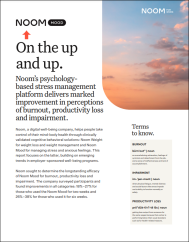
Learn more about how a psychology-based stress management platform can support employees' mental wellness
Dr. LaToya Smith reveals how employers can identify troubling signs that employees are struggling with their mental health — and what they can do to help.

Young employees are putting more trust in the social media platform than healthcare providers. What's that mean for their long-term wellness?
Factors like paid leave policies, average hours worked and overall happiness play a role in which countries achieve the best work-life balance.