Benefits Think Connecting with clients and prospects during a pandemic
Face it, your clients and prospects do not want to meet you in person, but here’s how you can still stay connected.

Contract workers play a significant role in the U.S. economy, but they aren’t afforded the same benefits as full-time employees.
As we all move forward to a ‘new normal’ within our workplaces, we can learn from our experiences these past months.
Without the ability to catch early signs of burnout, employers may miss important cues as workers struggle with anxiety and stress.
Drugs used to treat chronic conditions are being tried on coronavirus patients; CVS wants to ensure there’s enough to go around.
Today’s sandwich generation now looks to employers for support with aging parents. Companies are beginning to add new benefits like work flexibility and care resources.
Brokers and their clients can save money with a high-quality, no-cost solution.
Employees are more driven when the success of the company directly impacts their earnings.
Market volatility brought on by the coronavirus pandemic may present a great time to invest, as many stocks are being sold at bargain prices.
“Short-term telehealth options make it possible for businesses to navigate a very uncertain time,” says Bill Goodwin, CEO of telehealth provider MeMD.
An integrated healthcare model can treat behavioral health issues more holistically than relying on add-on benefits.
“It’s an unfortunate part of the traditional law firm model that you are penalized if you back off the throttle — an absolute necessity when you have a child,” one lawyer says.
By extending their working years, seniors can see an increase in their Social Security payouts.
UnitedHealthcare added policies to its benefit offerings to prevent young people from becoming addicted to prescription painkillers after wisdom teeth surgery.
“This student loan repayment benefit has the potential to mobilize American businesses both large and small to dramatically reduce the overall amount of student debt,” says Tuition.io CEO Scott Thompson.
Perhaps the single most important aspect of the Act is what it does not cover: it does not provide any paid or protected leave time in the event of a company shut down for any COVID-19-related reason.
As more U.S. states order widespread shutdowns, small companies provide a test case for the bigger challenges in store.
The employer is also expanding the use of sick time to include caregiving related to COVID-19.
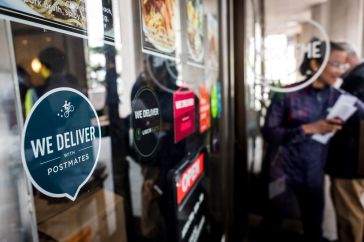
Postmates and other platform companies like Uber and Lyft have long claimed their workers are self-employed entrepreneurs rather than employees entitled to minimum wage, overtime, unemployment and other protections.
It’s estimated that workplace stress now costs employers $500 billion annually in the form of decreased performance at work or absenteeism.